PALO ALTO, Calif. (Reuters) - The Federal Reserve is looking at a broad variety of problems around digital payments and currencies, including policy, design and legal considerations around potentially providing its own digital currency, Guv Lael Brainard stated on Wednesday. Brainard's remarks recommend more openness to the possibility of a Fed-issued digital coin than in the past." By transforming payments, digitalization has the prospective to provide greater worth and benefit at lower expense," Brainard Learn here said at a conference on payments at the Stanford Graduate School of Company.
Central banks internationally are disputing how to manage digital financing technology and the dispersed journal systems used by bitcoin, which promises near-instantaneous payment at possibly low cost. The Fed is establishing its own round-the-clock real-time payments and settlement service and is currently reviewing 200 comment letters submitted late in 2015 about the proposed service's style and scope, Brainard said.
Less than 2 years ago Brainard informed a conference in San Francisco that there is "no engaging demonstrated requirement" for such a coin. However Continue reading that was before the scope of Facebook's digital currency aspirations were extensively known. Fed authorities, consisting of Brainard, have actually raised concerns about customer protections and data and privacy dangers that could be presented by a currency that might enter into use by the 3rd of the world's population that have Facebook accounts.
" We are working together with other reserve banks as we advance our understanding of reserve bank digital currencies," she said. With more countries looking into providing their own digital currencies, Brainard stated, that adds to "a set of reasons to also be making sure that we are that frontier of both research and policy advancement." In the United States, Brainard said, concerns that need research study consist of whether a digital currency would make the payments system more secure or simpler, fedcoin announced and whether it could posture monetary stability dangers, including the possibility of bank runs if cash can be turned "with a single swipe" into the reserve bank's digital currency.
To counter the monetary damage from America's unmatched national lockdown, the Federal Reserve has actually taken extraordinary steps, including flooding the economy with dollars and investing straight in the economy. The majority of these moves got grudging approval even from lots of Fed doubters, as they saw this stimulus as needed fed coin and something just the Fed could do.
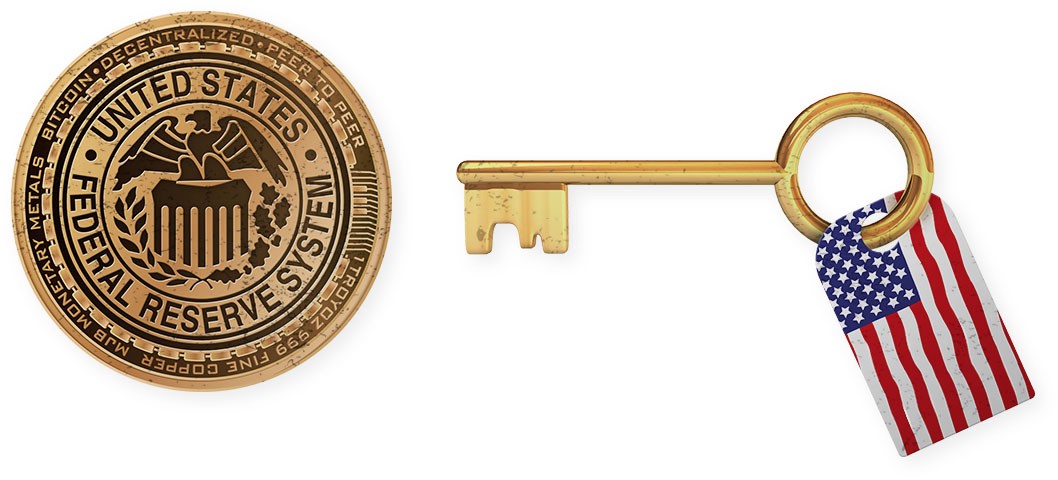
My brand-new CEI report, "Government-Run Payment Systems Are Hazardous at Any Speed: The Case Against Fedcoin and FedNow," information the dangers of the Fed's present strategies for its FedNow real-time payment system, and proposals for main bank-issued cryptocurrency that have actually been called Fedcoin or the "digital dollar." In my report, I talk about issues about personal privacy, information security, currency control, and crowding out private-sector competitors and development.
Proponents of FedNow and Fedcoin state the government must develop a system for payments to deposit quickly, rather than motivate such systems in the economic sector by raising regulative barriers. But as kept in mind in the paper, the economic sector is offering a seemingly endless supply of payment technologies and digital currencies to fix the problemto the extent it is a problemof the time space between when a payment is sent and when it is gotten in a savings account.
And the examples of private-sector innovation in this area are lots of. The Clearing House, a bank-held cooperative that has actually been routing interbank payments in different types for more than 150 years, has been clearing real-time payments given that 2017. By the end of 2018 it was covering 50 percent of the deposit base in the U.S.